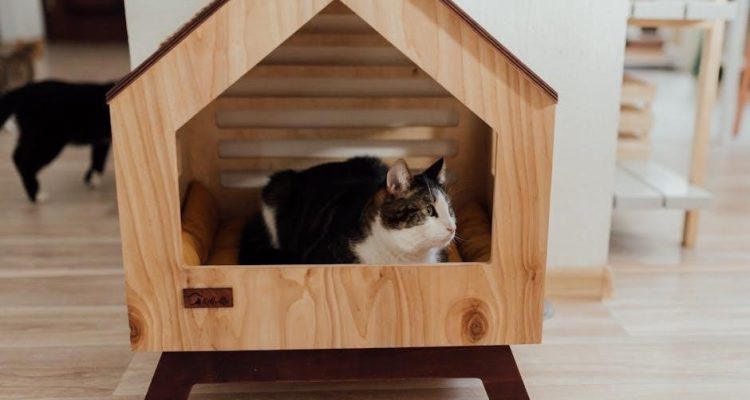
Cat House Plans PDF: A Comprehensive Guide
Discover a wealth of free and paid PDF plans for building secure and comfortable cat houses‚ ranging from simple shelters to elaborate catios.
Cat house plans‚ particularly those available in PDF format‚ have surged in popularity as pet owners seek creative and cost-effective ways to provide shelter for their feline companions. These plans cater to diverse skill levels‚ from beginner DIY enthusiasts to experienced woodworkers. PDF plans offer a convenient‚ printable‚ and easily shareable format for detailed instructions‚ material lists‚ and visual aids.
The availability of free and premium plans online allows for a wide range of designs‚ including simple outdoor shelters‚ insulated winter homes‚ and enclosed “catios” offering safe outdoor access. Utilizing PDF plans streamlines the building process‚ ensuring accuracy and minimizing errors. Many resources‚ like Catster and Hepper‚ provide plans with accompanying pictures and illustrations‚ making construction more accessible.
Why Provide a Cat House?
Providing a dedicated cat house addresses several feline needs and offers benefits for both the cat and owner. Outdoor cats require shelter from harsh weather – rain‚ snow‚ and extreme temperatures – and a safe haven from predators. Even indoor cats appreciate a private‚ secure space to retreat and relax. A well-constructed cat house‚ built using readily available PDF plans‚ can significantly improve a cat’s quality of life.
Furthermore‚ a cat house can help reduce unwanted behaviors like scratching furniture‚ by offering an alternative outlet for natural instincts. PDF plans facilitate building a customized space tailored to your cat’s preferences‚ incorporating features like scratching posts or cozy bedding. Ultimately‚ a cat house demonstrates care and provides a comforting environment for your beloved pet.
Benefits of Using PDF Plans
Utilizing PDF cat house plans offers numerous advantages for DIY builders. These plans typically include detailed diagrams‚ precise measurements‚ and comprehensive material lists‚ streamlining the construction process. PDF format allows for easy printing and scaling‚ adapting the design to your specific needs and available space. Many free and affordable PDF plans are readily accessible online‚ catering to various skill levels – from beginner to experienced woodworkers.
PDF plans also promote accuracy and reduce material waste‚ saving both time and money. The visual nature of the plans simplifies understanding‚ even without extensive carpentry knowledge. Moreover‚ PDFs are easily stored and shared‚ making it convenient to collaborate or revisit the plans as needed throughout the building process.

Types of Cat Houses & Plans
Explore diverse PDF plans for cat houses – outdoor‚ indoor‚ heated‚ and raised designs – each offering unique features and construction approaches.
Outdoor Cat Houses: Weather Protection
PDF plans for outdoor cat houses prioritize weather resistance. Many designs‚ like the two-door shelter featured on Catster‚ focus on providing warmth during harsh winters. Crucially‚ these plans often incorporate features like double doors for escape routes‚ safeguarding against predators.
Detailed plans emphasize using durable materials and proper construction techniques to withstand rain‚ wind‚ and snow. Raised designs‚ highlighted by Hepper Pet Resources‚ are popular as they prevent water damage and deter unwanted critters. PDFs typically include instructions on weatherproofing with paint‚ stain‚ or sealant‚ ensuring longevity. Look for plans specifying appropriate wood thicknesses and insulation to create a truly protective haven for your feline friend. Proper ventilation is also addressed in many plans.
Indoor Cat Houses: Cozy Retreats
PDF plans for indoor cat houses focus on creating comfortable and secure spaces for your feline companion. While the provided sources don’t detail specific indoor plans‚ the principles of construction apply – stability and safety are paramount. Expect plans to emphasize using non-toxic materials and smooth finishes to avoid hazards.
PDF guides often suggest incorporating soft bedding and familiar scents to encourage use. Though not explicitly mentioned in the given texts‚ plans frequently include dimensions suitable for various cat sizes. Customization is key; PDFs allow you to modify designs to fit your home décor. Consider plans that integrate scratching posts or playful elements. Ultimately‚ the goal is a quiet‚ enclosed retreat where your cat feels safe and relaxed‚ easily built with detailed PDF instructions.
Heated Cat Houses: For Cold Climates
PDF plans for heated cat houses are crucial for providing warmth during harsh winters‚ particularly for outdoor cats. While the provided snippets don’t directly address heated designs‚ the two-door outdoor house plan from Catster highlights the need for winterization. PDF guides will detail insulation techniques – using materials like foam board or straw – to retain heat.
Electrical components for heating require careful planning and adherence to safety standards‚ detailed within the PDF instructions. Look for plans specifying low-voltage heating pads or cables designed for pet use. Proper ventilation is also vital to prevent moisture buildup. PDFs will often include diagrams illustrating wiring and component placement. Remember‚ a well-insulated and safely heated cat house‚ built from a detailed PDF‚ can be life-saving in freezing temperatures.
Raised Cat Houses: Preventing Critters
PDF cat house plans frequently incorporate a raised design to deter unwanted visitors like raccoons‚ opossums‚ or even snakes. Hepper Pet Resources specifically notes that elevating the house keeps critters out‚ offering a safer haven for feline residents. PDF guides will illustrate various methods for achieving this‚ from simple leg extensions to more elaborate platform constructions.
Detailed plans will specify appropriate leg height – typically 12-18 inches – and structural support to ensure stability. Consider the ground conditions; a stable base is essential. PDFs may also suggest adding a ramp or steps for easy cat access. Furthermore‚ a raised house improves ventilation and helps keep the interior dry. Choosing a PDF with clear diagrams and material lists is key to successfully building a critter-proof‚ elevated cat house.
Essential Materials for Building
PDF plans detail wood types like cedar‚ pine‚ and plywood‚ alongside insulation‚ fasteners‚ and weatherproofing – paint‚ stain‚ and sealant – for durability.
Wood Selection: Cedar‚ Pine‚ and Plywood
Choosing the right wood is crucial for a lasting cat house. PDF plans frequently recommend cedar for its natural resistance to rot‚ insects‚ and weather‚ making it ideal for outdoor structures. However‚ cedar can be more expensive. Pine is a more affordable option‚ but requires thorough sealing and weatherproofing to prevent decay.
Plywood offers a cost-effective base for walls and floors‚ especially when combined with a weatherproof exterior cladding. Consider the plywood grade; exterior-grade plywood is essential for outdoor projects. PDF guides will often specify wood thicknesses based on the design’s structural needs. Reclaimed wood is also a sustainable and budget-friendly choice‚ but ensure it’s free of harmful chemicals or splinters before use.
Insulation Materials: Keeping Cats Warm
PDF cat house plans for colder climates emphasize the importance of insulation. Styrofoam is a common‚ affordable insulator‚ easily cut to fit within wall cavities. However‚ cats may chew on it‚ so encasing it securely is vital. Fiberglass insulation is another option‚ but requires careful handling and a vapor barrier to prevent moisture buildup.
Reflective foil insulation can help retain heat‚ particularly when layered with other materials. Consider using natural options like straw or recycled denim for eco-friendly insulation. PDF plans often detail the R-value (thermal resistance) needed for your region. Remember to create a waterproof barrier to protect the insulation from rain or snow‚ ensuring a dry and cozy haven for your feline friend.
Fasteners: Screws vs. Nails
PDF cat house plans will often specify fastener types‚ but understanding the difference is crucial. Screws generally offer superior holding power compared to nails‚ especially in outdoor structures subject to weather. They’re less likely to loosen with temperature fluctuations and vibrations‚ ensuring a more stable build.
However‚ nails are faster to install and can be more cost-effective for certain applications. When following PDF instructions‚ consider using galvanized or stainless steel fasteners to prevent rust and corrosion. Pre-drilling holes is recommended‚ particularly with hardwoods‚ to avoid splitting the wood. For critical structural connections‚ screws are almost always the preferred choice‚ guaranteeing a durable and safe cat house.
Weatherproofing Materials: Paint‚ Stain‚ and Sealant
PDF cat house plans frequently emphasize weather protection‚ and selecting the right materials is key. Exterior-grade paint or stain safeguards wood from rain‚ snow‚ and sun damage‚ extending the house’s lifespan. Opt for non-toxic options‚ ensuring your cat’s safety.
Sealant‚ particularly around seams and joints‚ prevents water infiltration and drafts. Caulk and wood sealant are essential for a weatherproof structure. Remember to apply multiple coats for optimal protection‚ following the PDF plan’s recommendations. Proper weatherproofing not only enhances durability but also maintains a comfortable interior temperature for your feline friend‚ shielding them from harsh elements.

Construction Techniques
PDF plans detail essential building steps: precise wood cutting‚ stable frame assembly‚ secure roof construction‚ and proper door/window installation for cat access.
Cutting Wood: Tools and Safety
PDF cat house plans frequently require accurate wood cutting‚ demanding the right tools and strict safety adherence. Common tools include circular saws‚ jigsaws‚ and hand saws – choose based on plan complexity and your skill level. Always wear safety glasses to protect against flying debris. Ear protection is also crucial‚ especially with power tools.
Before cutting‚ carefully measure and mark wood according to the PDF plan’s dimensions. Secure the wood firmly with clamps to prevent movement during cutting. Be mindful of the saw blade’s path and keep hands clear. When using power tools‚ disconnect them when changing blades or making adjustments. Remember to sand rough edges after cutting to prevent splinters and ensure a smooth finish for your feline friend’s new home.
Assembling the Frame: Ensuring Stability
PDF cat house plans detail frame assembly‚ crucial for a durable structure. Begin by laying out all cut pieces‚ referencing the plan’s diagrams. Use screws – preferred over nails for strength – to join the frame components. Predrilling holes prevents wood splitting‚ especially with hardwoods.
Ensure square corners using a carpenter’s square; a slightly off-kilter frame compromises stability; Regularly check for squareness as you add each piece. Reinforce corners with corner braces if the PDF plan suggests or if the structure feels wobbly. A solid frame is paramount‚ especially for outdoor houses needing to withstand weather. Double-check all connections before proceeding to the next construction phase.
Roof Construction: Sloped vs. Flat
PDF cat house plans will present either sloped or flat roof options‚ each with advantages. Sloped roofs effectively shed rain and snow‚ preventing water accumulation and potential leaks – vital for outdoor structures. They also add visual appeal. Flat roofs are simpler to construct but require thorough waterproofing to avoid issues.
The PDF should detail the angle for sloped roofs and the necessary materials for proper overhang. For flat roofs‚ ensure a slight pitch for drainage. Consider using waterproof membrane or sealant‚ as detailed in the plans. Secure roofing materials firmly to the frame‚ referencing the PDF’s instructions for fastener placement and type. A well-constructed roof protects your feline friend from the elements.
Door and Window Installation: Cat Access & Ventilation
PDF cat house plans emphasize the importance of appropriately sized doorways for easy cat access‚ while remaining secure against predators. Consider multiple doors for escape routes‚ as some plans suggest‚ offering cats options and safety. Windows provide crucial ventilation‚ preventing stuffiness and regulating temperature inside the house.
The PDF should specify door and window dimensions and placement. Reinforce door openings to withstand scratching and potential impacts. Ensure windows are covered with sturdy mesh or plexiglass to prevent escape and protect against weather. Proper ventilation‚ detailed in the plans‚ is key to a comfortable and healthy environment for your cat‚ especially in warmer climates.

Specific Cat House Plans (PDF Focus)
Explore detailed PDF plans for two-door outdoor houses‚ raised designs to deter critters‚ and comprehensive catio blueprints for enclosed outdoor enjoyment.
Simple Two-Door Outdoor Cat House Plan
This plan‚ readily available online as a PDF‚ focuses on creating an inexpensive and effective shelter for outdoor cats‚ particularly in colder climates. The design features two doorways‚ providing a crucial escape route should another animal attempt to enter‚ ensuring the cat’s safety.
It’s a fantastic DIY project suitable for families‚ requiring minimal specialized tools and readily available materials – even reclaimed wood can be utilized to reduce costs. Numerous photographs and illustrations accompany the plans‚ making the construction process straightforward and easy to follow‚ even for beginner builders.
The simplicity of the design doesn’t compromise its functionality; it’s a warm‚ dry haven for feline friends‚ offering protection from the elements. Detailed dimensions and cutting lists are typically included within the PDF document.
Raised Cat House with Detailed Instructions
PDF plans for raised cat houses emphasize keeping feline shelters off the ground‚ a key strategy for deterring unwanted critters and maintaining a dry interior. These plans often involve a slightly more complex build than simpler designs‚ but remain accessible to intermediate DIY enthusiasts.
Detailed instructions‚ typically included in multi-page PDF documents‚ guide builders through each step‚ from framing and flooring to roofing and finishing. Pay close attention to the plan’s two parts‚ as some designs are split across multiple pages for clarity.
The benefit of a raised structure extends beyond pest control; it also provides a cooler space in warmer weather and a more secure feeling for the cat. Expect comprehensive material lists and cutting diagrams within the PDF to streamline the building process.
Catio Plans: Enclosed Outdoor Space
Catio plans‚ readily available as PDF downloads‚ offer a fantastic way to provide cats with safe outdoor access without the risks of roaming. These plans range from simple window box-style catios to elaborate‚ fully enclosed outdoor “rooms” connected to the house.
PDF documents typically include detailed diagrams showing framing‚ mesh enclosure‚ and access points – often a cat door leading from the house. Construction often involves wood framing‚ wire mesh‚ and a weatherproof roof.
Free plans can be found on various gardening and pet-focused blogs‚ while more complex designs may require a paid PDF purchase. Remember to fill any holes with wood filler and apply multiple coats of paint or stain for weather protection‚ as recommended by many plans.
Customization & Finishing Touches
Personalize your cat house with scratching posts‚ toys‚ and bedding‚ ensuring a cozy and enriching space for your feline friend.
Adding Scratching Posts
Integrating scratching posts into your cat house design is a fantastic way to enrich the environment and satisfy your cat’s natural instincts. Consider attaching a sisal-wrapped post to an interior wall‚ or even building a small platform covered in corrugated cardboard.
PDF plans often don’t explicitly detail scratching post integration‚ so creative adaptation is key. You can secure posts using sturdy brackets and screws‚ ensuring they can withstand enthusiastic scratching; Think about placement – near doorways or favorite lounging spots are ideal.
DIY scratching surfaces can be cost-effective; repurpose old wood or create a simple frame wrapped with rope. Remember to prioritize stability and safety‚ avoiding any loose materials that could be ingested. A well-placed scratching post will protect your furniture and delight your cat!
Incorporating Toys and Bedding
Enhance your cat house with comfortable bedding and engaging toys to create a truly inviting space. PDF plans typically focus on structure‚ leaving interior details to your discretion. Consider adding a soft‚ washable cushion or blanket for lounging – fleece or faux fur are excellent choices.
Strategic toy placement encourages activity. Hang dangling toys from the roof‚ or create a small “toy box” within the house. Puzzle toys can provide mental stimulation‚ while catnip-filled options add extra appeal.
Safety is paramount; ensure all toys are durable and free of small parts that could be swallowed. Regularly inspect and replace worn items. A cozy bed and a selection of stimulating toys will transform a functional cat house into a beloved feline haven!
Personalizing with Paint and Decoration
Transform your completed cat house into a stylish addition to your home or garden with paint and decorative elements! While PDF plans detail construction‚ personalization is where you can truly express creativity. Opt for non-toxic‚ pet-safe paints and stains to ensure your cat’s well-being.
Consider your cat’s preferences – some enjoy visually stimulating patterns‚ while others prefer muted tones. Stenciling‚ painting murals‚ or adding decorative trim can elevate the aesthetic. Remember to apply several coats of sealant to protect the wood from the elements and ensure longevity.
Small details like personalized nameplates or themed decorations can add a special touch. Prioritize durability and safety when selecting materials‚ avoiding anything your cat could ingest.
Safety Considerations: Avoiding Hazards
Prioritize your cat’s safety throughout the building process and beyond. When utilizing PDF plans‚ carefully inspect for potential hazards. Ensure all wood is sanded smooth to prevent splinters‚ and all nails or screws are fully recessed or covered.
Avoid using treated lumber‚ as the chemicals can be toxic to cats. Choose pet-safe paints‚ stains‚ and sealants. Regularly inspect the finished cat house for loose parts or sharp edges. Ensure the door opening is appropriately sized to prevent entrapment‚ but large enough for easy access.
Consider the surrounding environment; position the house away from poisonous plants or potential dangers. A secure foundation is crucial to prevent tipping or collapse.
Finding and Utilizing PDF Plans
Explore online resources like Catster‚ Hepper‚ and DIY garden plan blogs for free PDF cat house plans and detailed building instructions.
Reliable Sources for Free PDF Plans
Numerous online platforms offer free cat house plans in PDF format‚ catering to various skill levels and design preferences. Catster provides a simple‚ two-door outdoor cat house plan‚ ideal for beginners and family projects‚ emphasizing ease of construction and cost-effectiveness using reclaimed materials.
Hepper Pet Resources showcases plans for raised cat houses‚ a practical choice for deterring unwanted critters and providing a secure haven. DIY Garden Plans offers plans for catios‚ enclosed outdoor spaces allowing cats to enjoy fresh air safely;
Always verify the plan’s clarity and completeness before starting. Look for plans with detailed illustrations‚ measurements‚ and material lists. Remember to cross-reference plans from multiple sources to ensure accuracy and identify potential improvements.

Understanding Plan Symbols and Measurements
Decoding cat house plans‚ often in PDF format‚ requires familiarity with common architectural symbols. Pay close attention to dimensions – plans typically use feet and inches‚ sometimes millimeters. Ensure you understand whether measurements refer to the outside or inside dimensions of the wood.
Look for symbols indicating screw or nail placement‚ wood joint types (butt‚ lap‚ miter)‚ and insulation details. PDF plans may include a legend explaining these symbols. Be mindful of scale; verify the plan’s stated scale and use a ruler to confirm accuracy before cutting any materials.
Double-check all measurements and angles before proceeding‚ as even small errors can impact the final structure’s stability and fit.
Modifying Plans to Suit Your Needs
PDF cat house plans often serve as excellent starting points‚ but customization is frequently necessary. Consider your cat’s size and preferences when adjusting dimensions – larger cats need more spacious interiors. Adapt the design to available materials; substituting plywood for cedar is possible‚ but impacts weather resistance.
Enhance plans by adding features like scratching posts or extra windows. Ensure any modifications maintain structural integrity; reinforcing corners or adding supports may be needed. Carefully recalculate material lists after alterations.
Remember to prioritize safety – avoid sharp edges or toxic materials. Always double-check your changes before cutting or assembling.
Printing and Scaling PDF Plans
Accurate printing is crucial when using PDF cat house plans. Verify your printer settings are set to “Actual Size” or 100% scale to avoid distortions. Test print a small section with a known measurement before printing the entire plan.
If scaling is necessary‚ use your PDF reader’s scaling tools‚ ensuring consistent proportions are maintained. Large plans may require printing across multiple pages; utilize the “Tile” or “Poster” printing option.
Clearly label each page for easy assembly. Consider using thicker paper or cardstock for durability during construction. Double-check all measurements after printing to confirm accuracy.