
Overview of Summer Bridge Activities for Grades 6-7
Summer bridge activities for grades 6 7 provide curriculum‑aligned projects. A downloadable answer key PDF offers instant feedback supports differentiated instruction and streamlines assessment for teachers and students alike!!!!
Key Features and Benefits
Summer Bridge Activities for Grades 6‑7 provide a structured curriculum that bridges middle to high school. The downloadable answer key PDF offers instant, accurate feedback for each activity, enabling teachers to assess student understanding in real time. Key features include:
- Aligned with state standards, supporting required competencies.
- Project‑based tasks promote critical thinking and collaboration.
- Scaffolded questions with graded difficulty for diverse learners.
- Clear rubrics embedded in PDF simplify grading and set expectations.
- Accessibility options: high‑contrast text, screen‑reader compatibility.
- Digital integration uploads activities to LMS, tracks, shares with parents.
Benefits for educators include reduced grading time, consistent assessment standards, and the ability to quickly identify misconceptions. Students gain confidence through immediate feedback, improved mastery of concepts, and motivation to explore STEM, literature, and social studies themes in a summer context. The answer key PDF also supports remote or hybrid learning environments, ensuring continuity of instruction regardless of weather or school closures.closures.Students explore real‑world scenarios.and

Curriculum Alignment and Educational Objectives
These summer bridge activities align with state standards, targeting critical thinking, problem solving, and interdisciplinary skills. The answer key PDF offers precise grading rubrics, enabling teachers to track mastery and adjust instruction.!!
Standards and Learning Outcomes
Summer bridge activities for grades six and seven are meticulously mapped to the Common Core State Standards (CCSS) for English Language Arts, Mathematics, and Next Generation Science Standards (NGSS). In ELA, students reinforce reading comprehension, analytical writing, and vocabulary expansion through guided inquiry projects that mirror authentic text‑analysis tasks. Math objectives focus on number sense, algebraic reasoning, and data interpretation, encouraging students to apply procedural fluency to real‑world scenarios. NGSS alignment emphasizes scientific practices such as asking questions, developing models, and evaluating evidence, while integrating crosscutting concepts like patterns and systems. The answer key PDF provides a detailed rubric that links each activity to specific standard indicators, allowing educators to document proficiency levels, identify misconceptions, and tailor remediation. By aligning with state benchmarks, these bridge lessons ensure continuity for students returning to regular coursework, fostering confidence and readiness for the upcoming academic year. These resources are available via a portal letting teachers download the PDF and share it with students.

Sample Activities and Lesson Plans
Engage 6‑7 students with climate‑science projects, math data charts, and creative writing prompts. Each lesson includes a downloadable answer‑key PDF for instant grading, fostering self‑assessment and peer feedback. Students share insights.!
Project-Based Learning Examples
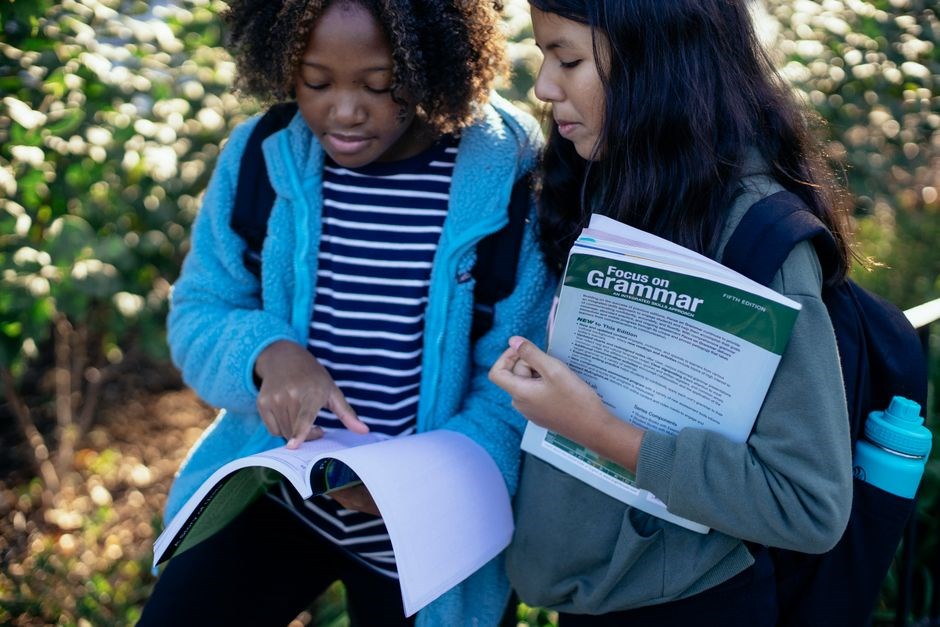
Students design a “Summer Climate Lab” where they collect temperature, humidity, and wind data over a week, then analyze trends using graphing software. The lesson plan includes a step‑by‑step worksheet and a downloadable answer‑key PDF that grades data accuracy, chart interpretation, and hypothesis validity. Another project is a “Community Solar‑Energy Pitch,” where groups research solar panels, calculate potential savings, and present a business plan. The answer key provides rubric scores for research depth, calculations, and presentation skills. A third activity, “Eco‑Friendly Product Design,” challenges students to create a reusable item, document the design process, and justify its environmental impact. The answer‑key PDF contains criteria for creativity, feasibility, and sustainability metrics. Each project encourages collaboration, critical thinking, and real‑world application, while the answer key ensures consistent, objective assessment and immediate feedback for continuous improvement. Teachers can adapt the answer key to align with state standards, ensuring that each rubric criterion reflects the expected proficiency levels for grades 6‑7. This modular approach supports learning for settings and promotes student ownership.!

Answer Key PDF Format and Accessibility
The answer key PDF is tagged, with clear headings, numbered sections, and alt‑text for images, ensuring screen‑reader compatibility. It supports zoom, high‑contrast mode, and worksheets!!!.
File Structure and Navigation Tips
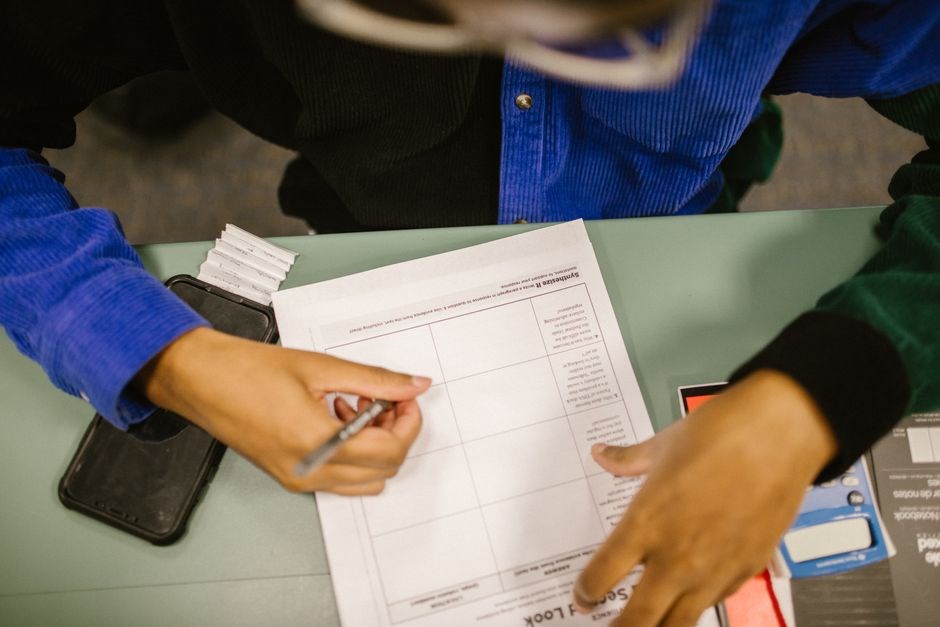
When preparing a summer bridge answer key PDF for grades 6‑7, a file structure improves usability. Start with a clear title page that lists the course, year, and version number. Follow with a table of contents that links to each activity section. Use consistent heading levels (H1 for the main title, H2 for activity groups, H3 for individual questions). Embed bookmarks for each question set so that teachers can jump directly to the answer key for a specific lesson. Include page numbers and a footer that displays the document’s revision date and author. For accessibility, add alt‑text to any embedded graphics and ensure the PDF is tagged so screen readers can navigate headings, lists, and tables. Consider adding a search‑friendly index at the end of the document, and use PDF form fields if you want to annotate answers. Finally, compress the PDF to keep the file size under 5 MB, which allows quick download on mobile devices and reduces bandwidth usage for schools with limited internet connectivity.
Teachers can export the answer key to a spreadsheet, enabl compare across classes. The PDF’s internal links ensure each answer aligns with its question, preserving consistency!
Download Sources and Licensing
Free summer bridge PDFs are available on sites like TeachersPayTeachers, OpenStax, and NCES. Paid options add interactive features and are licensed under Creative Commons or standard copyright agreements. Download links are labeled for use!!!
Free and Paid Resources
Students and teachers can access a range of summer bridge materials that include answer key PDFs for grades 6‑7. Free resources are typically hosted on open‑access platforms such as the National Center for Education Statistics, OpenStax, and the U.S. Department of Education’s Education Portal. These sites provide downloadable worksheets, lesson plans, and answer keys that are licensed under Creative Commons or public domain, allowing unrestricted use and adaptation in classroom settings. While free PDFs are static, paid versions offer dynamic features like clickable quizzes and embedded videos daily. Teachers should evaluate each resource’s alignment with state standards depth of content and support level all (e.g., guides workbooks assessment tools). Licensing agreements for paid materials usually require a subscription or one‑time purchase, whereas free resources can be downloaded and shared without cost. When selecting resources, it is essential to consider the budget, the specific learning objectives, and the technical infrastructure available in the school. By combining free and paid materials, educators can create a comprehensive summer bridge program that supports diverse learning needs while managing costs effectively.

Tips for Effective Implementation
Plan schedules,use answer key PDFs for instant feedback, integrate projects, and monitor engagement. Offer varied tasks, provide clear rubrics, and schedule reflection sessions to reinforce learning.
Scheduling and Classroom Management
Effective scheduling of summer bridge activities hinges on aligning lesson blocks with the answer key PDF’s structure. Begin each week with a brief orientation, then allocate 45‑minute segments for reading, discussion, and hands‑on tasks. Use the PDF to set clear checkpoints; after each checkpoint, students submit short reflections that teachers review instantly, allowing for real‑time adjustments. Incorporate a rotating “peer‑review” station where students exchange answer sheets, fostering collaborative learning and accountability. Classroom management is simplified by establishing a consistent routine: a 5‑minute bell‑ring cue, a 2‑minute “focus” reminder, and a 3‑minute “wrap‑up” recap. Assign roles—timekeeper, tech support, and discussion leader—to distribute responsibility and keep energy high. Use tools: embed the PDF in a shared drive, link it to a quiz platform, and set up a shared calendar that syncs with students’ devices. For transitions, use a visual timer and a “signal” cue (e.g., a bell or a hand‑clap) to maintain flow. Finally, schedule “check‑in” slots every two days to assess engagement, address misconceptions, and recalibrate pacing. This structured yet flexible approach ensures that the answer key PDF is not just a reference but a dynamic component of the learning cycle.

Common Challenges and Solutions
Students may misinterpret answer key PDF, causing frustration. Provide guided walkthroughs, scaffolded prompts, and real‑time feedback loops. Offer varied tasks and clear rubrics to keep motivation high.
Addressing Student Engagement
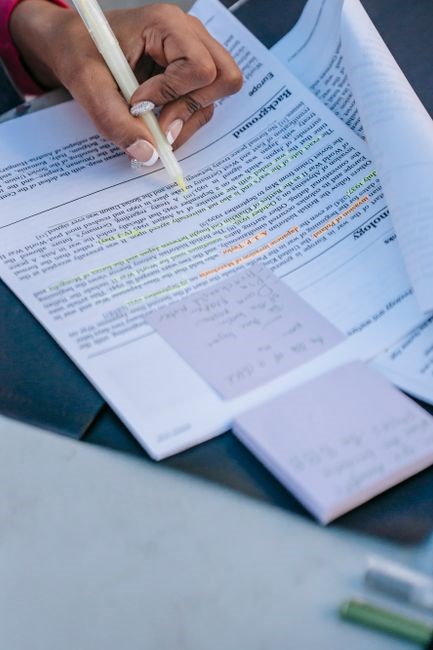
Engaging learners during bridge programs hinges on activities that dovetail with the answer key PDF. Frame each worksheet as a mystery to solve, prompting curiosity before revealing solutions. Use the PDF as a live reference: students annotate, highlight, and cross‑check their work, turning passive review into dialogue. Gamify checkpoints—each correct answer unlocks a hint for the next challenge—leveraging instant feedback embedded in the key. Blend stations where pairs compare annotated PDFs, fostering peer instruction and accountability. Rotate roles (navigator, recorder, checker) so every child practices leadership and reflection. Offer tiered difficulty levels within the same PDF: foundational questions for those needing scaffolding, and extension prompts for thinkers, ensuring all voices are heard. Schedule breaks to reset attention spans, and integrate contexts—such as local environmental data or community projects—so students see relevance. Finally, close each session with a reflective prompt: “What strategy helped you most?” and collect responses in a shared digital folder, allowing teachers to adjust pacing and content in real time. This holistic approach transforms the answer key from a static resource into an engine of engagement, sustaining motivation across the bridge term. Students celebrate progress together. All participants share certificates.
Assessment and Feedback Strategies
Use the answer key PDF for instant grading, letting students self‑check and discuss errors. Apply rubrics tied to goals and hold reviews afteractivity to reinforce learning daily and peer review now!
Rubrics and Grading Criteria
Design a rubric that aligns with the summer bridge curriculum, using clear descriptors for mastery levels. Include categories such as content accuracy, critical thinking, collaboration, and presentation. Assign point values that reflect the weight of each skill, and provide a scoring guide that teachers can use with the answer‑key PDF for quick validation. Encourage formative checkpoints by having students self‑assess against the rubric before submitting final work. This approach promotes transparency, supports differentiated feedback, and helps students internalize learning goals. Integrate digital tools to record rubric scores, allowing instant comparison to the answer key and facilitating timely, data‑driven instruction. Teachers can adapt the rubric to emphasize inquiry skills, encouraging students to pose questions and seek evidence. The answer‑key PDF allows instant comparison, helping educators identify misconceptions quickly. By sharing rubric criteria with students beforehand, you foster a growth mindset and clarify expectations. Incorporating peer‑review checkpoints further deepens understanding and promotes collaborative learning. Finally, review outcomes daily to improve more sessions.

Legal and Copyright Considerations
Use only licensed PDFs, respect copyright, and provide proper attribution. Share answer keys under fair use, ensuring no commercial exploitation. Keep records of permissions for transparency and compliance
PDFs Responsibly
Answer key PDFs for summer bridge activities must be handled with care. First, verify that the source provides a license allowing redistribution for educational use. Many publishers offer a noncommercial sharealike clause that lets teachers circulate the file within a single school district. If the document is under a Creative Commons license, check the specific type: CC‑BY allows reuse with attribution, CC‑BY‑SA requires derivative works to carry the same license, while CC‑BY‑NC prohibits commercial use. When a license is not explicitly stated, contact the author or publisher for permission; many educators receive a free or low‑cost license for classroom use. Second, protect student privacy by removing any personally identifying information from the PDF before distribution. This includes names, student IDs, or any data that could be traced back to an individual. Third, use secure file‑sharing platforms that support access control, such as Google Drive, Microsoft OneDrive, institutional learning management systems. Set the link to “view only” or “download only” and restrict sharing to authorized users. Fourth, keep a record of the version number and date of PDF to ensure that all teachers and students are using same material. This prevents confusion when grading or when students compare answers. Ethical use learning, trust integrity. Follow these rules now! Users must follow these guidelines to protect privacy!!!