What are Elections?
Elections are how we choose our leaders! They’re a vital part of democracy, letting citizens have a voice. Kids can learn about candidates and even participate in classroom votes.
Why We Have Elections
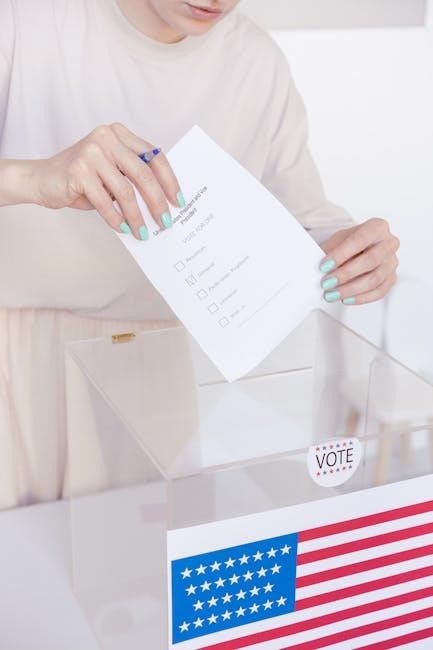
Elections are incredibly important because they allow people to choose who will represent them and make decisions for their communities. Imagine trying to decide what game to play with your friends – you might vote, right? Elections are similar, but instead of games, we’re choosing leaders!
Without elections, a small group of people might make all the rules, and that wouldn’t be fair. Elections ensure everyone has a say, fostering a more just and representative government. They’re a cornerstone of a healthy democracy, allowing citizens to participate in shaping their future.
Understanding why we have elections helps kids grasp the significance of civic engagement. Even simple classroom elections demonstrate this principle – students research “candidates” (classmates!), discuss their platforms, and then cast their secret ballots. This process mirrors the larger election system, teaching valuable lessons about responsibility and participation. It’s about understanding that every voice matters and that collective decisions shape our society.
Who Gets to Vote?
Voting isn’t something everyone can do right away. Generally, in the United States, you need to be a citizen and at least 18 years old to vote in national elections. This rule ensures voters have a certain level of maturity and understanding of the issues.
However, even before turning 18, young people can learn about the importance of voting and participate in mock elections, like those held in schools! These practice elections are a fantastic way to understand the process and develop informed opinions. They help build a foundation for future civic engagement.
It’s also important to know that voting rights have expanded over time, and historically, not everyone was allowed to vote. Understanding this history helps us appreciate the value of inclusivity and the ongoing efforts to ensure everyone’s voice is heard. Learning about voter registration and eligibility is a crucial step in becoming an informed and responsible citizen, preparing for the day you can cast your ballot!

Understanding the Candidates
Candidates are people running for office, sharing their ideas to improve communities. Learning about their backgrounds, stances, and promises helps voters make informed decisions.
What Do Candidates Do?
Candidates are busy people when they’re running for office! They travel around, giving speeches to share their ideas with lots of different people. Think of it like trying to convince everyone why their plan is the best one for the country or community.
They also participate in debates, which are like conversations where candidates answer questions and discuss important issues. A moderator asks the questions, making sure everyone gets a fair chance to speak. It’s important to listen carefully to see if the candidates challenge each other’s ideas or just repeat what they already believe!
Candidates spend a lot of time creating political ads – commercials designed to persuade people to vote for them. These ads can be on TV, online, or even on posters. It’s good to think critically about these ads, asking yourself if they’re telling the whole story.
Finally, candidates need to raise money to pay for all these activities! They rely on donations from people who support their campaigns. Understanding all these actions helps us see how much work goes into running for office.

Political Parties Explained
Political parties are groups of people who share similar ideas about how the government should work. Think of them as teams with different plans for making things better! In the United States, the two main parties are the Democrats and the Republicans, but other parties exist too.
Each party has a platform – a set of beliefs and goals. For example, one party might focus on helping people with healthcare, while another might prioritize lowering taxes. These differences help voters choose the party that best represents their own views.
Parties also nominate candidates – the people who will run for office. They choose someone they believe will best represent their party’s ideas. Often, a candidate will have a running mate, someone who will serve as Vice President if they win the election.
Understanding political parties helps us understand why candidates believe what they do and what they’ll try to accomplish if elected. It’s all about different ideas and different approaches to solving problems!

The Voting Process
Voting is how citizens choose leaders! Grown-ups register, then go to polling places to cast a secret ballot. Every vote counts towards deciding the winner!
Registering to Vote (For Grown-Ups!)
Before grown-ups can vote, they need to register! Think of it like signing up for a club – you need to let people know you want to be a part of it. Registration means officially telling the government that you want to participate in elections. It’s a really important step to make sure your voice is heard.
How does it work? Usually, you need to fill out a form with your name and address. You might also need to show some identification, like a driver’s license. Many places now offer online registration, making it even easier! It’s like signing up for something online – quick and convenient.
Why is it important? Registering ensures that you’re officially on the list of eligible voters. Without registering, you can’t cast a ballot. It’s a key part of being a responsible citizen and helping to shape the future. So, when grown-ups are old enough, they should definitely register to vote!

Going to the Polling Place
The polling place is where grown-ups go to vote! It’s often a school, a library, or a community center – a familiar place in your neighborhood. When it’s Election Day, these places transform into voting centers, buzzing with activity as people exercise their right to choose.
What happens there? When you arrive, you’ll likely check in with a poll worker, someone whose job is to help voters. They’ll confirm your name on the voter list. Sometimes, you might need to show identification again. It’s all about making sure only registered voters cast a ballot.
It’s a busy but organized process! Poll workers are there to answer questions and guide you through the steps. Remember, voting is a civic duty, and going to the polling place is a crucial part of participating in our democracy. It’s where voices are heard and decisions are made!
Casting Your Ballot – Secretly!
Once you’re at your voting station, it’s time to mark your ballot! This is a super important step – you’re choosing who you want to be your leader. But here’s a key rule: it’s secret! No one can tell you how to vote, and you don’t tell anyone else what you chose.
You’ll usually get a paper ballot, or use a computer to make your selections. Follow the instructions carefully – they’ll tell you how to fill in bubbles or select candidates. Some ballots have choices for different offices, like president, mayor, or school board members.
The privacy is really important. Often, you’ll vote in a booth or behind a screen so your choices remain confidential. After you’ve made all your selections, carefully review your ballot before submitting it. This ensures your voice is accurately represented! It’s a powerful moment!

Analyzing Election Results
After everyone votes, the real work begins: counting! We analyze the data to see who received the most votes and declare a winner, understanding the outcome.
Counting the Votes
Once the polling places close, the exciting part begins – counting all the ballots! This isn’t done quickly; it requires careful attention to detail to ensure every single vote is accurately recorded. In the past, this was often done by hand, but today, many places use special machines to help speed up the process. These machines can read and tally the votes much faster than people can.
However, even with machines, people are still involved to oversee the process and double-check the results. It’s important to make sure everything is fair and accurate. After the initial count, there might be a recount if the results are very close. This means counting the votes again to confirm the outcome. Think of it like checking your math homework – sometimes it’s good to check your work!
The people counting the votes work hard to make sure everyone’s voice is heard. They follow strict rules to protect the secrecy of each ballot and ensure a fair election. It’s a crucial step in our democracy, and it shows how important every single vote truly is. It’s a team effort to get to the final numbers!
Understanding “Winning”
So, what does it mean to “win” an election? It doesn’t always mean getting everyone’s vote! Usually, the candidate who receives the most votes wins. This is called a “majority.” However, sometimes a candidate needs to win a certain number of votes, called the “electoral vote,” especially in presidential elections. It’s a bit more complicated than just counting total votes.
Think of it like a game where you need to reach a certain score to win, not just have the highest score overall. After all the votes are counted, the news will announce the winner. It’s important to remember that even if your favorite candidate doesn’t win, the election process still worked!
Losing candidates are gracious and accept the results, understanding that democracy means respecting the voters’ decision. It’s also important to remember that elections aren’t just about winning or losing; they’re about having a voice and participating in our government. Every election is a chance to make a difference!

Political Advertising and Media
Political ads are like commercials, but for candidates! They try to convince people to vote for them. It’s important to question what you see and hear in these ads.
What are Political Ads?
Political advertisements are messages that candidates and political parties pay for to share their ideas with voters. Think of them like commercials you see when watching TV or videos online, but instead of selling a product like cereal or toys, they’re “selling” a candidate or a particular viewpoint!
These ads can take many forms – you might see them on television, radio, the internet, or even as posters and flyers. They often feature the candidate speaking directly to you, or show images and videos designed to make you feel a certain way about them. Sometimes, they focus on what the candidate plans to do if elected, outlining their promises and goals.
Other times, political ads might focus on the opposing candidate, pointing out what they don’t like about their ideas or record. It’s important to remember that ads are created to persuade you, and they don’t always present a completely balanced picture. They are a tool used during election campaigns to influence how people vote, and understanding their purpose is a key part of being an informed citizen. Just like regular commercials, they aim to capture your attention and make a lasting impression!
Are Ads Always Truthful?
That’s a really important question! Unfortunately, political ads aren’t always completely truthful. Sometimes, they might stretch the truth, take things out of context, or only show one side of a story. It’s like when a commercial makes a food look extra delicious – it might not look exactly like that in real life!
Candidates and parties want to present themselves in the best possible light, so they might emphasize their strengths and downplay their weaknesses. They might also try to make their opponents look bad, even if it means exaggerating or misrepresenting their views. This is why it’s crucial to be a critical thinker when watching political ads.
Ask yourself: Who paid for this ad? What are they trying to convince me of? Are they presenting all the facts, or just some of them? It’s always a good idea to get information from multiple sources – news articles, websites, and discussions with trusted adults – before forming an opinion. Don’t believe everything you see or hear, and remember to question what you’re being told!
Your Role as a Future Voter
Even young citizens matter! Learning about elections now builds informed habits. Every vote counts, shaping our communities and country’s future, so stay curious!
Why Every Vote Matters
Imagine a classroom deciding on a class pet! If only a few students vote, the choice might not truly represent what everyone wants. Elections are similar – every single vote helps ensure the winner truly reflects the wishes of the people.
Even if you think one vote won’t make a difference, that’s not true! Close elections can be decided by just a handful of votes. Your voice, your opinion, and your choice are important. Think of it like building with LEGOs – each brick (vote) adds to the final creation (our government).
When more people participate, leaders are more likely to listen to a wider range of ideas and needs. It’s about fairness and making sure everyone has a say in how things are run. Participating in elections isn’t just a right; it’s a responsibility. It’s how we all work together to build a better future for ourselves and for generations to come. So, when you grow up, remember that your vote is your power!
Being an Informed Citizen
Being an informed citizen means learning about the people who want to lead us! It’s like researching before buying a new toy – you want to know what it does and if it’s a good fit. Ask questions: What do the candidates believe? What are their plans for our community?
Pay attention to what candidates say, but also how they say it. Are they being honest and respectful? Political ads, like commercials, try to convince you of something. Think critically – are they telling the whole story? Who paid for the ad?
Talk to your family and friends about the election. Discuss different viewpoints and try to understand why people might have different opinions. Reading news from various sources helps you get a complete picture. Being informed isn’t just about knowing facts; it’s about thinking for yourself and making thoughtful decisions. It’s about being a responsible member of our democracy!